
Airway management is one of the most critical parts of patient care, especially in ICUs, emergency rooms, and long-term ventilation cases. Two devices that often confuse new medical staff and caregivers are the Endotracheal Tube (ETT) holder and the Tracheostomy holder. Although both secure airway tubes, they are used in completely different situations.
If you’re handling long-term ventilator patients at home or hospital settings, you may also need devices like CPAP machines in Pakistan for non-invasive respiratory support.
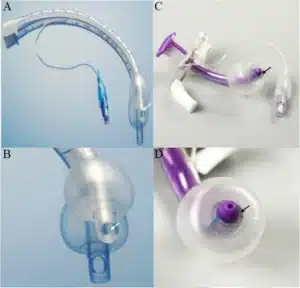
What Is an ETT Holder?
An ETT holder is used to secure an endotracheal tube once a patient is intubated. This is typically used in emergency procedures, ICU intubations, or during surgeries. The holder ensures the tube stays stable, reducing the risk of accidental extubation.
In many cases, patients who transition out of ETT support may move to non-invasive ventilation options such as BiPAP machines for continued breathing support.
What Is a Tracheostomy Holder?
A tracheostomy holder is a neck strap used to secure a tracheostomy tube for patients who require long-term or permanent airway access. It is designed to be comfortable, adjustable, and stable enough for daily use.
Patients with chronic breathing issues, such as COPD or neuromuscular disorders, often benefit from additional respiratory devices like oxygen concentrators, especially when they use tracheostomy tubes at home.
Main Difference Between ETT and Tracheostomy Holder
| Feature | ETT Holder | Tracheostomy Holder |
|---|---|---|
| Placement | Mouth | Neck |
| Usage Duration | Short-term | Long-term |
| Purpose | Secure ETT during ventilation | Secure trach tube for comfort & stability |
| Patient Type | ICU, ER, surgical cases | Chronic respiratory patients |
| Comfort Level | Limited | High |
If you’re arranging tracheostomy care at home, pairing the right holder with soft, durable CPAP/BiPAP masks can improve comfort significantly.
When to Use an ETT Holder
You should use an ETT holder when a patient needs:
-
Emergency intubation
-
Short-term mechanical ventilation
-
Airway control during surgery
ETT patients often start on ventilators and later shift to sleep-therapy devices like CPAP machines, depending on their recovery and breathing patterns.
When to Use a Tracheostomy Holder
A tracheostomy holder is ideal when:
-
Long-term ventilation is required
-
A tracheostomy tube is placed
-
Extra safety and comfort are needed during daily movement
For long-term setups, families often purchase hospital beds and adjustable patient beds to make care easier at home.
Benefits of a Good Tracheostomy Holder
-
More comfortable for long-term wear
-
Adjustable size for all patients
-
Reduces skin pressure from traditional ties
-
Secures the trach tube safely, even with movement
Many caregivers pair their trach holders with reliable home ventilation and oxygen support devices, available on Adnanrespicare.
Which One Should You Choose?
Choose an ETT Holder if:
-
Patient is intubated for surgery
-
ICU ventilation is temporary
-
Emergency airway support is needed
Choose a Tracheostomy Holder if:
-
The patient requires long-term ventilation
-
Comfort and neck stability are important
-
You want a safer alternative to traditional tracheostomy ties
For a complete range of CPAP, BiPAP, oxygen concentrators, hospital beds, and airway care equipment, visit:
Adnanrespicare Page: https://adnanrespicare.com/